DSE Media recently highlighted Visit Cedar Hill's creative approach to tourism marketing and community partnerships:
How does a small Texas city compete for visitors against bigger metros with bigger ad budgets? Cedar Hill's answer: borrow audiences. Its creator partnerships put the city in front of nearly 800,000 followers without a paid ad buy, and the results show up in visitor spending and hotel tax revenue.
On September 22, Destination Manager Michelle Ebanks briefed the Cedar Hill City Council on tourism and downtown revitalization, a program the city relaunched in January 2025. It is one of the clearest examples we've seen of influencer marketing working for a Texas city, and with holiday shopping season starting, the timing is right to borrow it.
The numbers
-
Barbecue creator partnership: two sold-out downtown pop-ups, promoted to the creator's 691,000 Instagram followers
-
Restoration creator partnership: the town square plaque restoration and Cedar Hill's history shared with 95,000 Facebook followers
-
YouTube creator episode: more than 17,000 organic views on an episode about downtown businesses, at no cost to the city
-
City social media: Facebook followers up 143% and Instagram up 67% since 2025
-
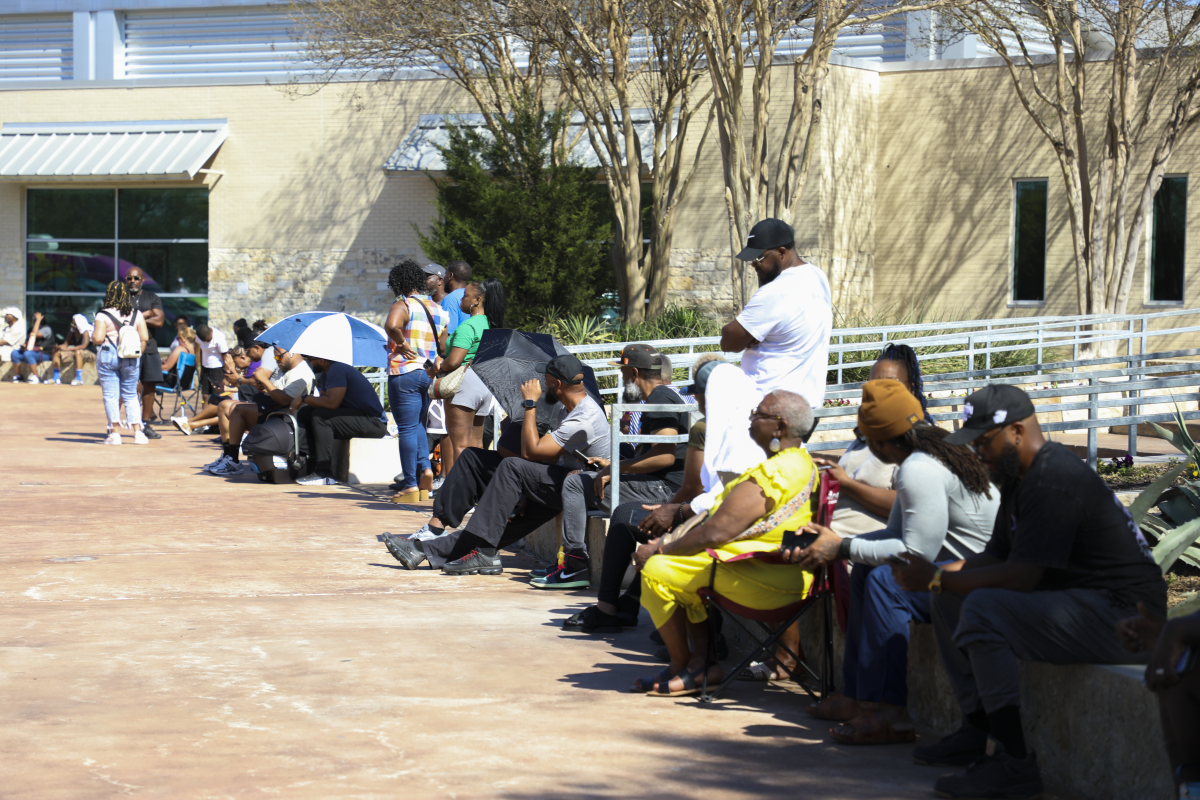
Night market: about 3,700 visitors at the city's first, staying an average of 81 minutes
-
Street dance: about 800 attendees, up more than 200 from the year before, with 79% from outside Cedar Hill
-
Visitor spending: $71.3 million, supporting 470 jobs and $5.47 million in local tax revenue
-
Hotel occupancy tax: up from $459,000 to $493,000, with hotel occupancy up 7%
What drove it
-
Creators matched to the place. A food creator for a downtown pop-up, a restoration creator for a historic plaque, a YouTube creator for local business stories. Each partnership fit what the creator already makes, so the content looked like theirs, not the city's.
-
A project, not a post. Instead of paying for a mention, the city gave creators something real to make: an event to host, a landmark to restore, businesses to profile. Partner events also used Village Tech students and event partner PlugHub to stretch the work further.
-
Community give-back built in. The barbecue partner supported the after-school program at the city's recreation center, which made the partnership a community story instead of an ad. He is already planning to return in 2027.
-
Data to prove it worked. The city uses Placer foot-traffic data to see where attendees live, how long they stay, and where they go before and after. That is how it knows 79% of street dance visitors came from out of town.
Lessons any Texas city can use
-
Match creators to your assets, not follower counts. List what your city has (food, history, outdoors, local makers), then find creators who already make that kind of content.
-
Start with creators who have a local tie. The restoration creator once lived in Cedar Hill. Former residents and nearby creators have a reason to care and a story to tell.
-
Offer a project, not a post. Access to a restoration, a pop-up slot, or behind-the-scenes time with merchants gives creators content they want to make anyway.
-
Build in a give-back. Tie each partnership to a local cause or program. It keeps the focus on the community, which matters for public dollars and public perception.
-
Track whether reach turns into visits. Followers are not the goal. Use foot-traffic data to report how many attendees came from outside the city and tie that to hotel and sales tax.
The takeaway
Small cities can't outspend big metros on advertising, but they can borrow audiences many times their own size. With Small Business Saturday on November 28, line up one creator for one downtown event this month, and measure who shows up.